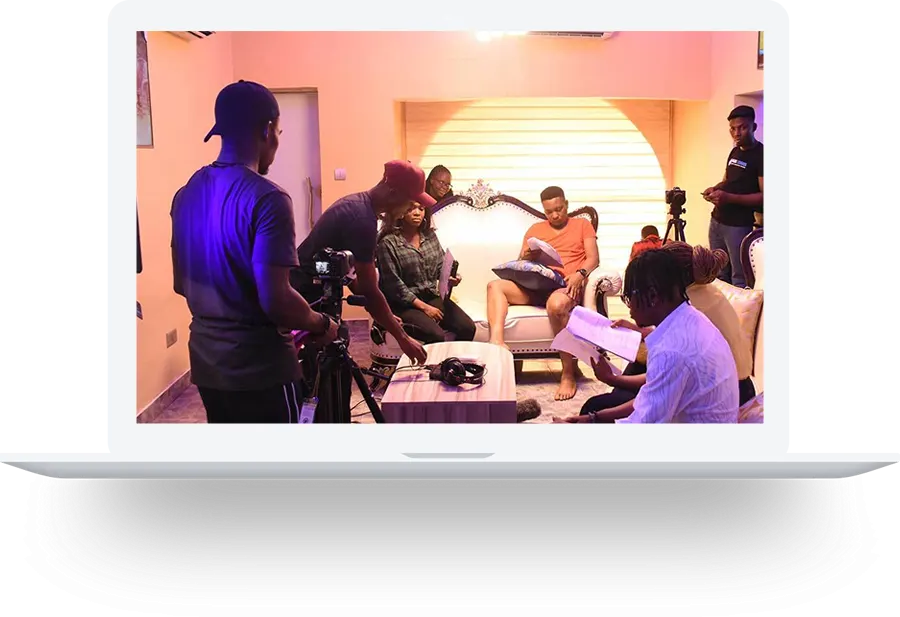
Practical film school in Lagos

Videography Masterclass

Learn the complete video-production workflow with access to professional cameras, lighting, audio and real production experience.

Request Course ScheduleAll Trainings
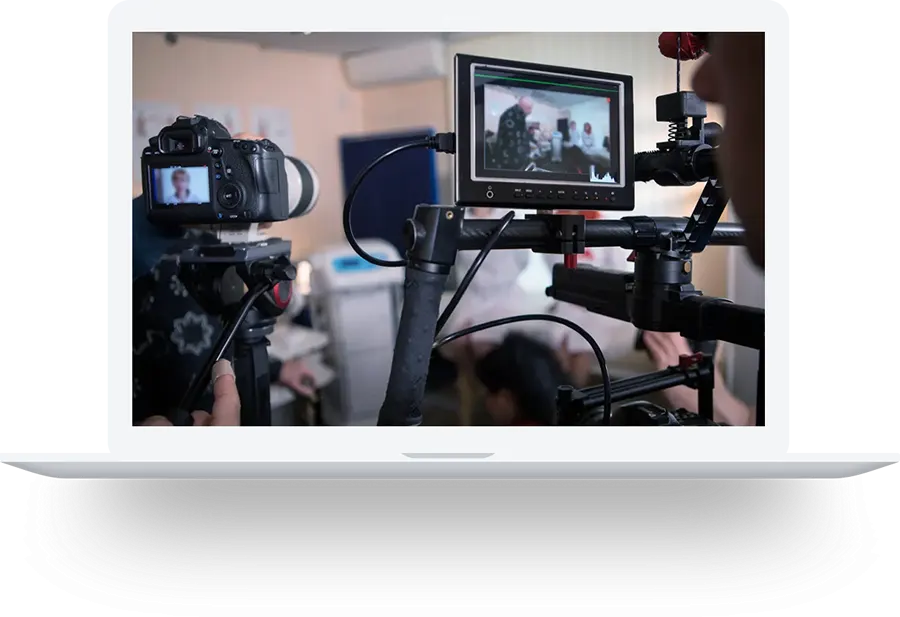
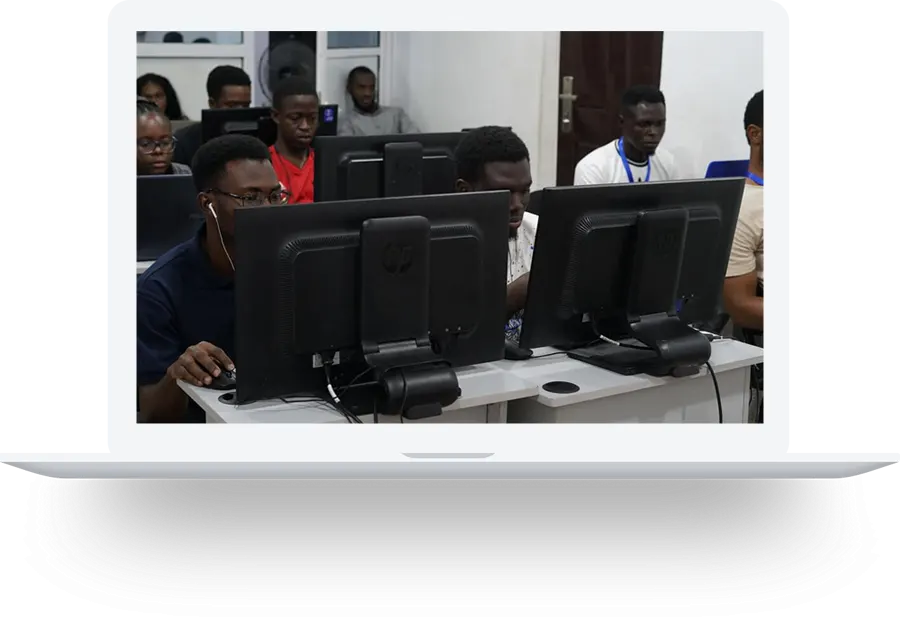
Videography Masterclass practical class in Lagos
Hands-on learningPraxis Studios, Lagos

The course promise

Move from camera basics to confidently planning, shooting and finishing professional video content.

Format
Onsite at Praxis Studios, Lagos
Approach
Practical instructor-led programme
Credential
Certificate of Completion

Training outcomes

What you will be able to do.

This is a practical learning experience, not a lecture-only class.

  • Operate professional camera systems and select appropriate settings
  • Plan scripts, shots, lighting, sound and production logistics
  • Direct talent and work effectively with a production crew
  • Shoot interviews, events, commercials and short narrative work
  • Edit and deliver a polished portfolio video

Inside the programme

A complete film-production education, not a camera tutorial.

The programme follows the full journey from an idea to a finished film. A capable videographer must understand story, camera, lenses, composition, production design, lighting, location sound, directing and post-production—not simply memorize camera buttons.

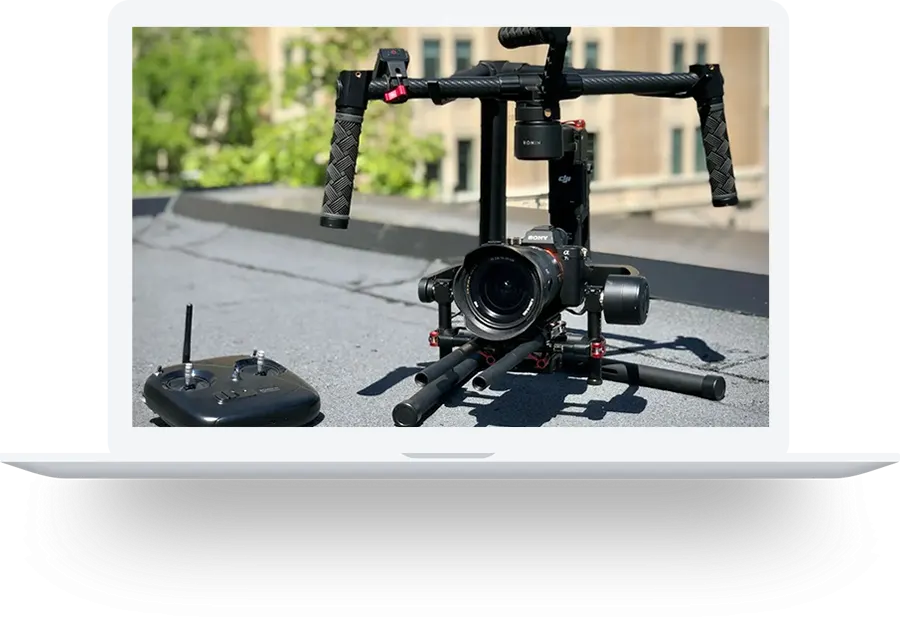
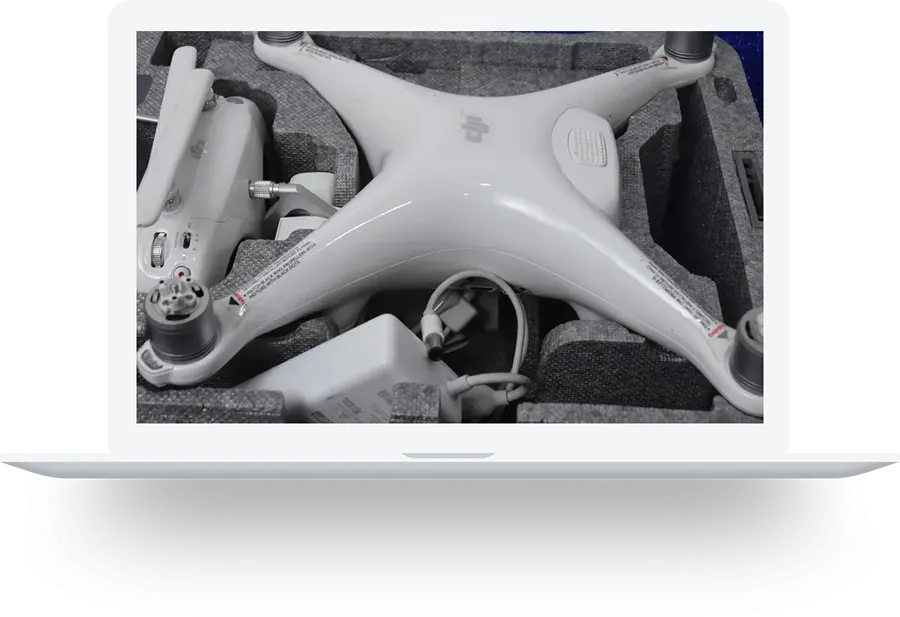
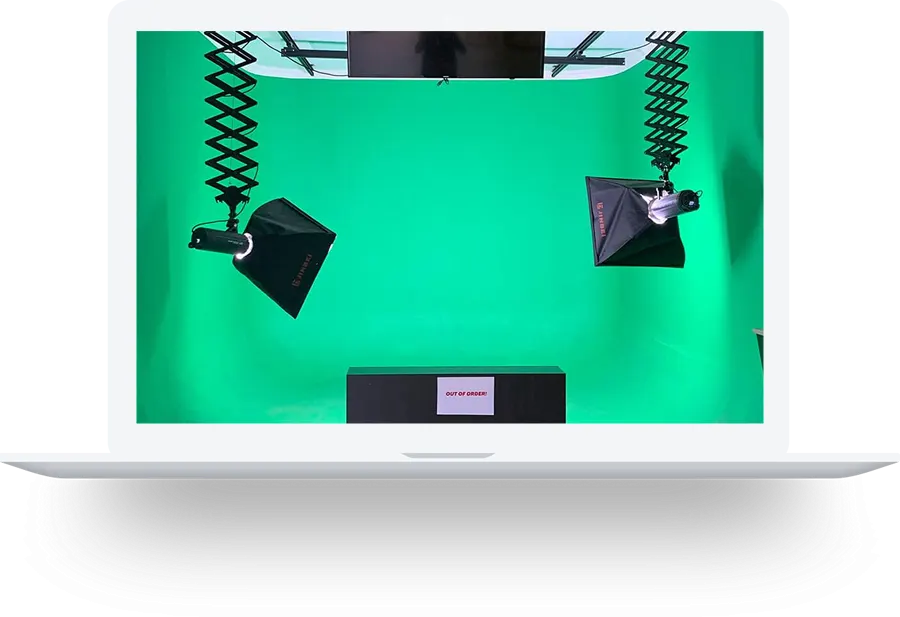
Learners work through pre-production, shot planning and crew responsibilities before filming interviews, narrative scenes, commercials and event material. Practical sessions also introduce stabilised movement, aerial perspectives, green-screen production and visual-effects planning so students understand when each technique adds value.

What the programme covers

  • Camera systems, lenses, exposure, frame rates and depth of field
  • Story development, screenwriting, treatments and shot lists
  • Production design, locations, props, wardrobe and continuity
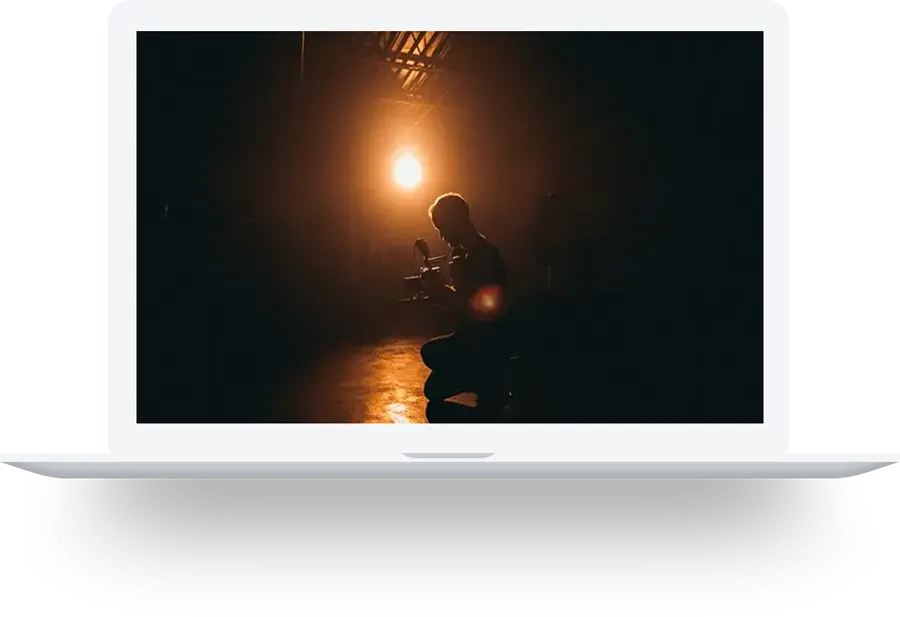
  • Cinematic lighting, colour temperature, modifiers and natural light
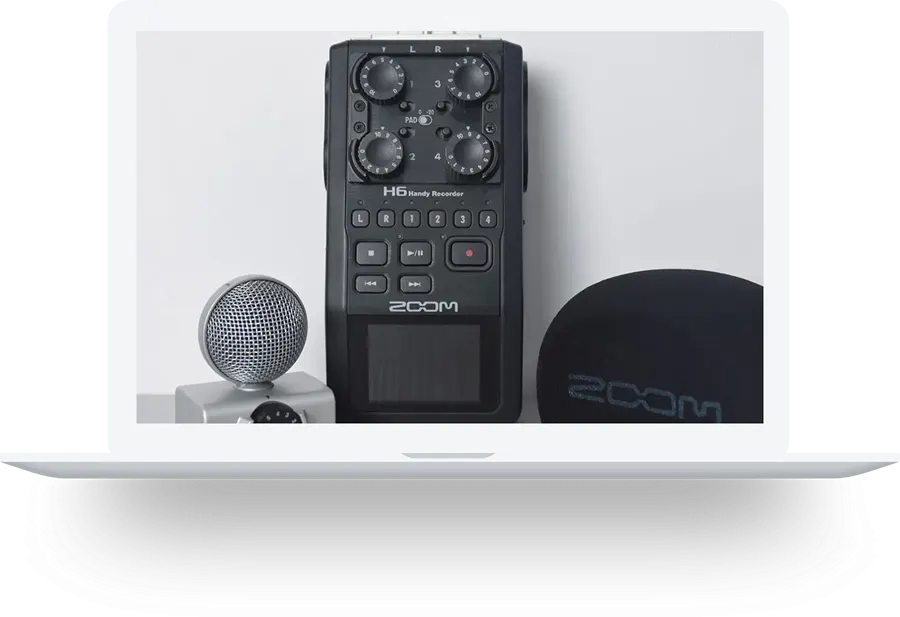
  • Boom, wireless and ambient sound recording
  • Composition, tripods, gimbals and controlled camera movement
  • Drone filming, green screen and visual-effects preparation
  • Directing talent, managing a crew and the business of production

Full curriculum

Built to go deeper than the basics.

Each module combines explanation, demonstration, exercises and feedback appropriate to the subject.

Videography & Camera course module

Videography & Camera

  • The video-production industry and role of a videographer
  • Camera types and hands-on Sony, Canon, Nikon and Blackmagic operation
  • Lens types, filters, polarizers and choosing lenses
  • Exposure, aperture, shutter speed, ISO and depth of field
  • Resolution and frame rates from 24fps to high-speed capture
Storytelling & Content course module

Storytelling & Content

  • Developing content for media
  • Testing and strengthening story ideas
  • Screenplay structure and scriptwriting workflow
  • Introduction to Fade In and Final Draft
  • Characters, audience connection and writing a script from start to finish
Production Design course module

Production Design

  • The set, props and production environment
  • Rules of composition
  • Cinematic settings filmmakers should understand
  • Indoor and outdoor production
  • Location negotiation and management for films, series and music videos
Cinematic Lighting course module

Cinematic Lighting

  • Lighting terminology, units and modifiers
  • Colour temperature and white balance
  • Lighting for emotion and creative intent
  • Exposure, dynamic range and three-point lighting
  • Studio, natural light, gels, diffusion and lens effects
Production Sound course module

Production Sound

  • Sound terminology and equipment
  • Boom and shotgun microphone operation
  • Wireless and lavalier systems
  • Recording clean dialogue and ambience
  • Monitoring, common problems and production workflow
Directing & On-set Production course module

Directing & On-set Production

  • Breaking down a script and building shot lists
  • Working with talent, crew and departments
  • Blocking, coverage and continuity
  • Interview and documentary direction
  • Professional set conduct and production safety
Post-production Foundations course module

Post-production Foundations

  • Organizing footage and editing workflow
  • Narrative assembly and pacing
  • Sound cleanup, music and basic mixing
  • Colour correction and finishing
  • Exporting for broadcast, web and social platforms
Steadicam & Composition course module

Steadicam & Composition

  • Tripod, monopod and shoulder-support operation
  • Gimbal balancing and controlled movement
  • Composition rules and purposeful framing
  • Tracking, reveal and establishing shots
  • Choosing support for each production situation
Drone & Aerial Shots course module

Drone & Aerial Shots

  • Aerial-shot planning and safety awareness
  • Drone-camera settings and exposure
  • Gimbal movement and cinematic flight paths
  • Establishing geography, scale and movement
  • Preparing aerial footage for the edit
Green Screen & Visual Effects course module

Green Screen & Visual Effects

  • Planning shots for compositing
  • Lighting a chroma background evenly
  • Subject separation and spill control
  • Clean plates, tracking references and continuity
  • Keying and basic visual-effects workflow
The Business of Video Production course module

The Business of Video Production

  • Turning a brief into a workable scope
  • Crew, equipment and location budgeting
  • Quotations, deposits and production documentation
  • Client communication, reviews and delivery
  • Portfolio building and finding production opportunities

Practical work

You leave with proof.

Exercises lead toward finished work that demonstrates what you can do.

Practical assignments · Portfolio focused
  1. 01Camera and composition exercises
  2. 02Lighting and sound practical
  3. 03Interview or short-scene production
  4. 04Final edited portfolio film

How you learn

Demonstration, supervised practice and useful feedback.

Every major concept is connected to a practical task. Instructors demonstrate the workflow, explain why each decision matters and supervise learners as they apply it with relevant equipment or software.

Feedback focuses on both technical accuracy and communication: whether the work is clear, intentional and suitable for a real audience or client brief. The goal is repeatable professional judgment, not memorising a list of buttons.

Facilities, equipment and assessment

Classes take place in Lagos with access to the production tools appropriate to the programme. Learners may work with professional cameras, lenses, lighting, sound, stabilisation, editing systems or digital platforms according to the course.

Progress is assessed through exercises, participation and finished practical work. Students are encouraged to organise their files correctly, document their process, respond to feedback and complete portfolio-ready projects they can continue developing after the programme.

After the course

Graduates leave with a clearer production workflow, practical reference material and an understanding of how the skill operates in employment, freelance and business settings. Course completion is a foundation; continued practice, portfolio development and responsible professional conduct remain essential.

From foundation to professional workflow

Understand the reason behind every important decision.

The programme is sequenced so that foundational knowledge supports the more demanding work that follows. Learners first develop a shared vocabulary and a dependable setup process, then apply those principles to guided assignments with increasing creative and technical responsibility.

Real production rarely happens under perfect conditions. Practical sessions therefore address preparation, troubleshooting, time management, communication and quality control as well as the headline creative skill. Students learn how to identify a problem, protect the work already completed and make a sensible decision when time or resources are limited.

Building work that can be presented professionally

A strong portfolio should show judgment, not just participation. Learners are guided to select, refine and present their best work with enough context for an employer, client or collaborator to understand their contribution. File naming, backups, version control, exports and delivery are treated as part of the craft because unreliable administration can undermine otherwise excellent creative work.

Where the subject involves clients or audiences, the course also discusses interpreting briefs, asking better questions, estimating realistic effort and responding to review comments without losing the objective. These habits help students move from classroom exercises to assignments that have deadlines, stakeholders and measurable expectations.

Who benefits from the programme

The training is suitable for committed beginners, self-taught creatives who need structure, professionals adding a related capability, entrepreneurs building an internal content function and teams that want a consistent workflow. Prior experience is helpful for some advanced exercises but is not required unless the current class schedule states otherwise.

Class size, timetable, fees and available formats may change between cohorts. Prospective learners should request the current course schedule before making travel or payment arrangements. Our team will explain the present format, what to bring and any software or equipment requirements.

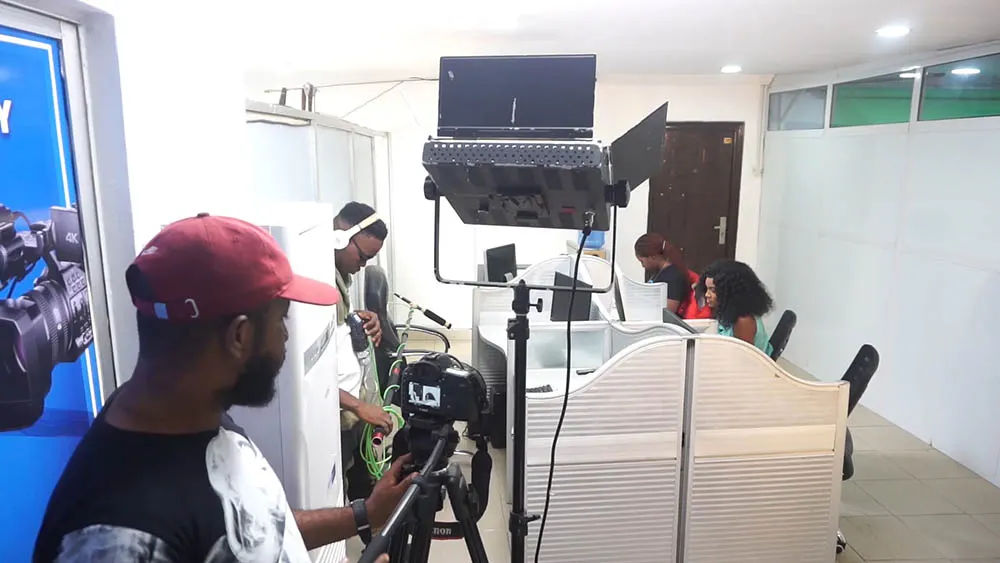
Selected work

Learn against a real production standard.

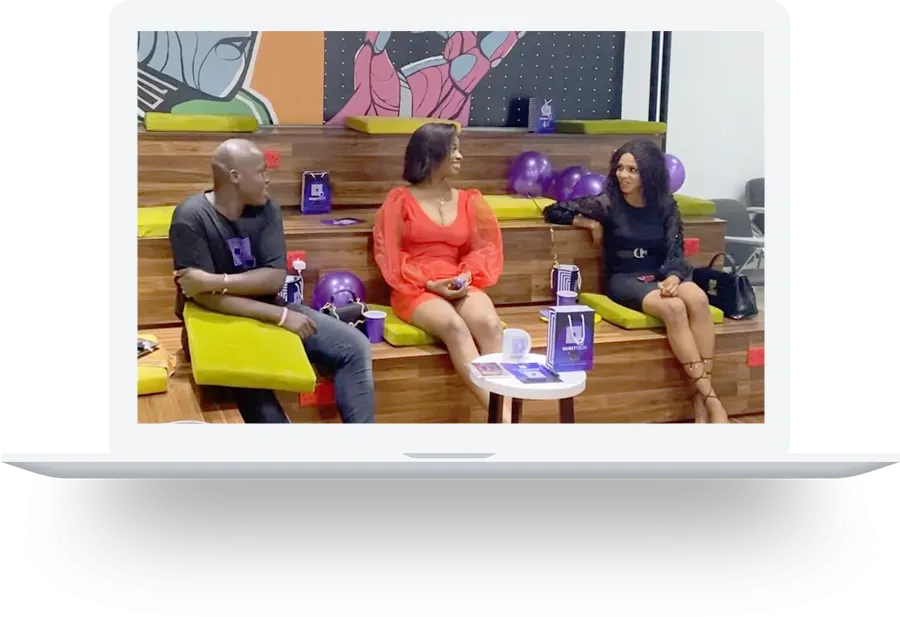
Selected Praxis productions give learners practical references for planning, camera work, lighting, sound, direction, editing and professional delivery.

Samsung Product Unveiling Event

Culturati — African Culture Event

Corporate Event Coverage

Explore more Praxis work

Best fit

Who this course is for.

  • Beginners seeking a structured starting point
  • Working creatives improving their practical skills
  • Entrepreneurs and teams building in-house capability

Common questions

Before you register.

Do I need prior experience?

No. The course begins with foundations and progresses into supervised practical work.

Is the training practical?

Yes. Learners work with relevant tools, complete exercises and build portfolio evidence.

Will I receive a certificate?

Learners who complete the required classes and practical work receive a Certificate of Completion.

How do I get the current fee and timetable?

Use the registration enquiry button to request the latest schedule, class format, fee and payment information.

Next session

Request the schedule, current fee and registration details.

Tell us you are interested in Videography and our academy team will send the latest information.